How E-Commerce Marketing Works in 2026: Important Channels and Strategies to Grow Online Sales for Businesses
How E-Commerce Marketing Works in 2026: Important Channels and Strategies to Grow Online Sales for Businesses
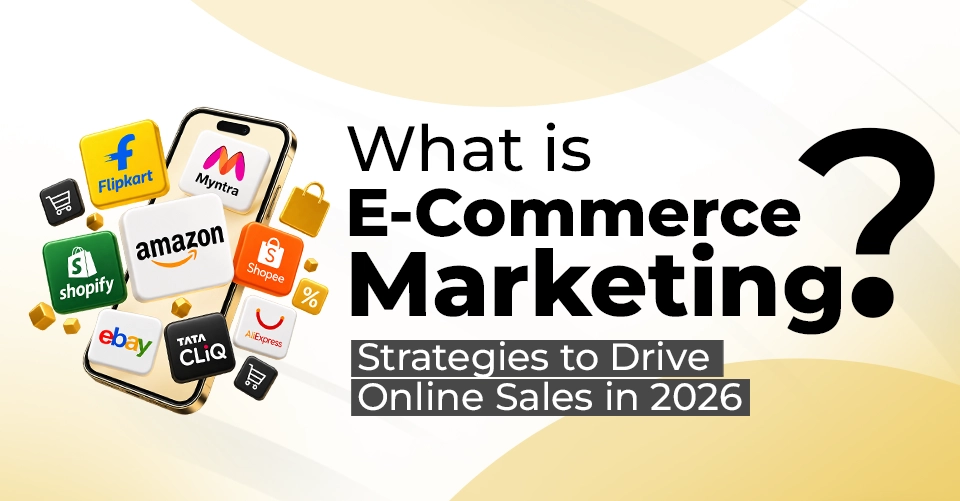
E-commerce has become a bigger part of how people discover, compare and buy almost everything. Today's customer might discover a product through a short video, search for reviews on Google, compare prices on a website, add the product to a cart on mobile and finally make a purchase after receiving an email or offer. They do not see these as separate marketing channels. They see it as one brand experience, and it is what makes e-commerce marketing in 2026 different.
So, what does it really take to grow an e-commerce business today?
Important E-Commerce Marketing Channels
Content Marketing and SEO
Paid advertising can bring traffic quickly. SEO builds an asset that can continue bringing customers long after the content is published. For e-commerce brands, SEO is no longer just about adding keywords to product pages. It involves creating useful content for customers at every stage of the buying journey. For example: Someone searching for a product category may need a buying guide, someone comparing products may need a detailed comparison and someone ready to buy may need product specifications, reviews and answers to common questions.
A strong e-commerce SEO strategy includes:
- Optimized product and category pages
- Clear product descriptions
- Technical SEO
- Mobile optimization
- Quality backlinks
- Customer reviews and user-generated content
But SEO in 2026 also needs to consider AI-powered search experiences. Search is changing from a list of links into conversations, recommendations and generated answers. This means brands need content that clearly communicates expertise, product information and trustworthiness. Your content should not simply help you rank. It should help search engines, AI platforms and customers understand why your brand deserves to be considered.
Paid Advertising
Paid advertising remains one of the fastest ways to generate targeted traffic. Google Ads can capture people actively searching for products. Social advertising can introduce products to new audiences. Retargeting can bring interested shoppers back. But the biggest change in paid advertising is automation. AI-powered advertising platforms can now help marketers:
- Identify high-value audiences
- Optimize bids
- Test creative variations
- Improve targeting
- Predict conversion opportunities
- Allocate budgets more efficiently
Instead of showing the same advertisement to everyone, brands can create campaigns around different customer needs, interests and stages of the buying journey. For example, you can avoid spending money advertising to customers who recently purchased the same product while creating personalized campaigns for cart abandoners, previous customers, high-value buyers and product viewers.
Social Commerce
Social media has become a complete commerce environment. Customers can discover products through creators, watch demonstrations, read comments, compare experiences and make purchases without leaving the platform. Platforms such as Instagram, Facebook and TikTok have changed how customers discover products. Short-form videos have become powerful because they can quickly demonstrate how a product works, what it looks like in real life and how other customers use it.
For e-commerce brands, the lies in creating content people actually want to watch. This could include:
- Product demonstrations and tutorials
- Customer videos
- Behind-the-scenes content
- Creator collaborations
- Trending videos adapted to the brand
- Live shopping experiences
But social media attention is fast. A viral video can bring thousands of visitors today and very little engagement next month. That is why social commerce should connect with your larger marketing strategy. Use social media to create discovery and use your website, email, mobile and customer experience to build the relationship.
Email Marketing
Email remains one of the most valuable marketing channels for e-commerce businesses. The difference is how brands use it. Generic promotional emails sent to every subscriber are becoming less effective. A strong e-commerce email strategy should include automated journeys such as:
- Welcome emails which introduce the brand and help new subscribers understand your products.
- Browse abandonment emails that remind customers about products they viewed but did not purchase.
- Cart abandonment emails which bring interested customers back with helpful reminders and answers.
- Post-purchase emails that help customers get more value from their purchase.
- Product recommendation emails that suggest relevant products based on customer behaviour.
Mobile Marketing
If your website is difficult to use on mobile, marketing efforts across every other channel can lose their value. Customers might discover your product through Instagram, Google Search or WhatsApp. But if the landing page loads slowly or the checkout process feels complicated, they will leave.
A strong mobile experience should focus on fast loading speed, simple navigation, clear product pages, high-quality images, multiple payment options and clear calls to action. For brands with apps, mobile can also create stronger customer relationships through:
- Push notifications
- Personalized offers
- Loyalty rewards
- Faster checkout
The goal is not to force customers into another channel. It is to make the channel they choose work better.
Omnichannel Marketing
This is where everything comes together. Customers do not think in channels. They may discover on social media, then search on Google, visit your website, leave and then receive an email, return on mobile and may purchase. That is one customer journey.
But many businesses still manage each step separately. Omnichannel marketing connects these together with a goal to be connected wherever your customers are. A successful omnichannel strategy requires:
- Connected customer data
- Consistent messaging
- Cross-channel measurement
- Coordinated campaigns
- Personalized communication
How to Build an E-Commerce Marketing Strategy in 2026
Step 1: Build a Strong Customer Data Foundation
Every customer interaction creates useful information with website visits, product views, purchases and customer service conversations. A unified customer view helps businesses understand who their customers are, what they buy, how often they purchase and which channels they use. This creates a stronger foundation for personalization and automation.
Step 2: Create Content for Every Stage
A brand that only creates promotional content is always asking for the sale. A stronger brand earns attention before asking for it.
- Awareness content to help people discover a problem, category or solution.
- Consideration content to provide comparisons, reviews and demonstrations.
- Conversion content to focus on product benefits, offers and clear calls to action.
- Retention content to provide useful post-purchase content and product recommendations.
Step 3: Focus on Customer Retention
Acquiring customers is important and keeping them is powerful. Repeat customers purchase more frequently, know the brand better and recommend the brand to others. Retention marketing can include personalized recommendations, post-purchase communication, exclusive access, customer communities and subscription options. The best e-commerce brands do not think of a purchase as the end of the journey. They see it as the beginning of the relationship.
E-commerce growth takes more than a good website and a few advertisements. It takes the right combination of SEO, content, social media, paid campaigns, creative communication and customer experience. At Made in Space, the digital marketing company in Trivandrum, Kerala, we help brands build digital marketing strategies that are designed around your audience, goals and growth. Customers do not only experience your marketing strategy. They experience your brand. Every search result, advertisement, social media post, email, product page and customer interaction contributes to that experience.
In 2026, is your e-commerce marketing just visible or genuinely relevant?