
How AI Is Changing Digital Marketing in 2026
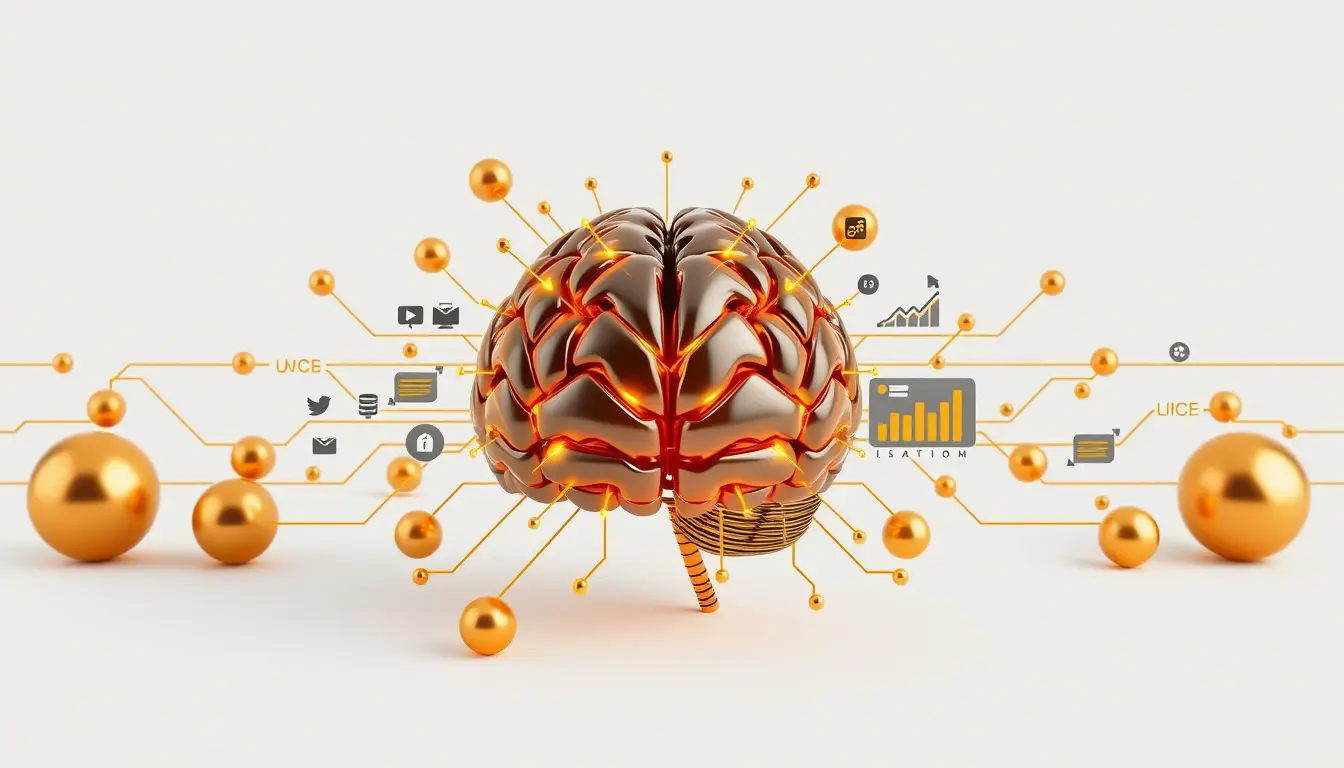
Digital marketing has evolved much over the past ten years, having gone through various technological advancements and changes in consumer trends. However, the game changer that is redefining the entire digital marketing landscape of 2026 is Artificial Intelligence (AI). Beyond mere automation and routine data analysis, AI is now the strategic core of marketing efforts, revolutionizing the way brands connect with, connect to, and expand their audiences.
“
⭐ What Is AI in Digital Marketing?
Artificial intelligence in marketing refers to the use of machine learning, natural language processing, and advanced algorithms to optimize campaigns, predict customer behaviors, and deliver hyper-personalized experiences. Unlike traditional marketing tools, AI doesn’t just analyze, it learns continuously from customer patterns, allowing brands to anticipate needs and craft campaigns that resonate deeply with individual users.
⭐ Key Ways AI Is Transforming Digital Marketing in 2026
◆ Hyper-Personalization: Every consumer touchpoint is uniquely tailored based on browsing history, purchase patterns, and real-time behavior.
◆ Predictive Analytics: AI predicts future consumer behavior with remarkable accuracy, helping businesses allocate resources effectively and improve ROI.
◆ Conversational AI: AI-driven chatbots are now context-aware and capable of handling complex interactions, building trust and efficiency in customer experiences.
◆ Agentic AI in Marketing: Unlike traditional AI that only assists, agentic AI can independently make decisions, create strategies, and even deploy campaigns with little human input.
◆ AI-Powered Content Creation: From ad copy to product descriptions, AI tools now generate high-quality, SEO-friendly content at scale.
◆ SEO Optimization: AI-based SEO tools analyze search trends, voice queries, and competitors in real time, giving marketers a competitive edge.
⭐ Why AI Marketing Matters in 2026
Consumer attention spans are shorter than ever, competition is fiercer, and the need for personalization is at an all-time high. AI empowers businesses to deliver precision-driven marketing at scale, something traditional teams cannot achieve alone. It levels the playing field, enabling startups to compete with established giants by leveraging intelligent insights and automation.
⭐ Challenges and Ethical Considerations
While AI presents massive opportunities, it also comes with challenges:
- Data privacy concerns and the ethical use of consumer information.
- Risk of over-reliance on automation, reducing human creativity and intuition.
- Algorithmic bias leading to unintended discrimination in campaigns.
Marketers must balance the efficiency of AI with ethical guidelines to maintain consumer trust.
⭐ The Future Ahead
By 2030, AI is expected to dominate not just marketing but every facet of business communication. From fully autonomous campaign systems to emotionally intelligent AI that understands human feelings, the possibilities are limitless. Brands that embrace AI in 2026 will not just thrive, they will redefine the benchmarks of digital engagement.