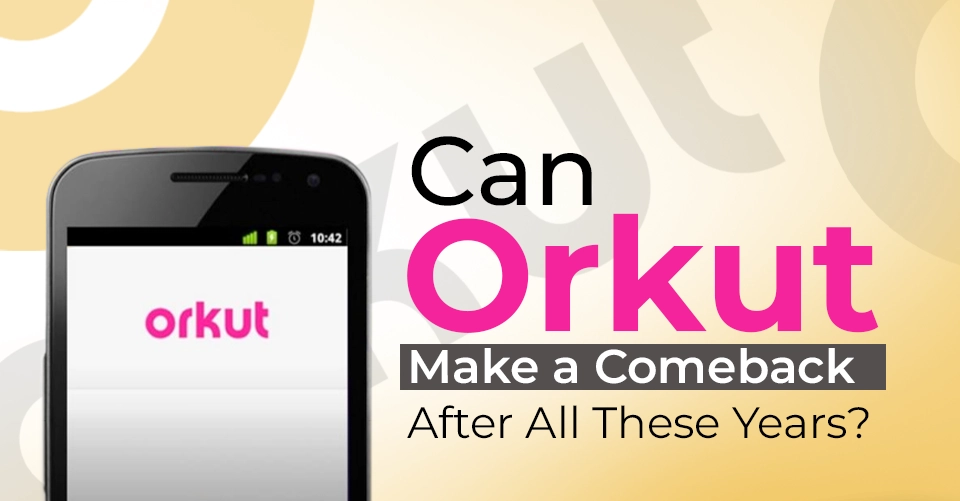
Will Orkut Return in 2026? Revisiting Its Popularity, Exploring Its Possible Comeback, and 5 Digital Marketing Lessons
Remember when checking a friend's scraps, visiting their profile and figuring out who had added you to their testimonials were part of your daily internet routine? Before Instagram stories, TikTok trends, and other short-form videos, there was Orkut. For many early internet users, Orkut was more than a social networking platform. You could join communities based on your interests, share opinions and connect with people who enjoyed the same things you did.
Then, just as social media became an essential part, Orkut disappeared. Google officially shut down the platform on September 30, 2014, bringing an end to a familiar chapter of internet culture.
Fast-forward to today, the idea of an Orkut comeback is enough to spark curiosity among people who remember the platform and younger audiences discovering its legacy. But why does a social network that disappeared more than a decade ago still attract attention?
The answer goes beyond nostalgia. It connects to a bigger conversation about how people want to interact online, why digital communities matter and whether social media needs a fresh approach.
What Made Orkut So Popular?
Launched in January 2004, Orkut was one of the early social networking platforms that helped shape how people connected online. It was named after its creator, Orkut Büyükkökten, and the platform became especially popular in countries such as Brazil and India.
At a time when social media was still developing, Orkut offered a new way to maintain friendships, meet people and discover communities beyond immediate social circles. Its appeal came from features that may seem simple by today's standards but felt exciting at the time.
Profiles That Felt Personal
Orkut profiles gave users a space to share information about themselves, list interests, upload photos and express their personalities. Visiting someone's profile was a way to learn more about them even before sending a message. Unlike today's highly polished social media feeds, profiles felt individual and personal.
Scraps and Testimonials
Scraps were short messages users could leave on each other's profiles. Testimonials allowed friends to write about one another, creating a public space for appreciation and personal connections. These features made interaction visible and gave friendships a distinct presence on the platform.
Communities Built Around Shared Interests
One of Orkut's most memorable features was its communities. Users could join groups dedicated to movies, music, hobbies, humour, regional culture and countless other interests. They could discuss a topic, share experiences, or simply enjoy being around like-minded individuals. This idea remains today from Reddit discussions and Facebook Groups to creator communities.
Is Orkut Really Coming Back in 2026?
The Orkut comeback conversation gained new momentum in October 2026, with its founder, Orkut Büyükkökten, inviting people to support his vision for a more human internet. The initiative invites people to register their support for a potential new social network built around real people, meaningful interactions and communities.
Orkut has not officially relaunched as a functioning social networking platform. The current initiative is a campaign to gauge interest in a possible revival. No confirmed launch date or final platform details have been announced. Signing up to support the idea also does not reserve a username or guarantee an account on a future platform.
So, why is this development attracting attention?
Because the conversation is about more than bringing back an old website. It raises questions about what people want from social media today.
Modern platforms offer sophisticated features, personalised feeds, instant communication and countless opportunities to discover content. And there is also growing concern over AI-generated content and authenticity of the contents. Against this backdrop, the idea of a network that prioritises people and communities over endless scrolling feels so relevant.
5 Lessons Digital Marketers Can Learn from the Orkut Comeback Buzz
Regardless of whether Orkut returns, the discussion offers practical lessons for businesses looking to strengthen their digital presence.
1. Build relationships and not just reach
Orkut's popularity was built partly on personal interactions and communities that brought people together. Brands can apply the same principle by engaging with their audiences beyond likes and views. Respond to comments, answer questions and make followers feel heard.
2. Give people a reason to participate
Social media becomes more valuable when audiences actively participate instead of simply scrolling past content. Orkut communities allowed people to connect through shared interests, creating spaces for discussions and idea-sharing. Brands can bring this approach into their content strategy through relevant questions, interactive posts, useful discussions and audience-driven content.
3. Keep your brand human
As AI tools make content creation faster, genuine communication becomes increasingly important. The interest in Orkut's community-driven experience highlights the value people place on meaningful interactions. Brands can stand out by sharing real experiences, offering original insights, responding thoughtfully, and showing the people behind their work.
4. Choose platforms strategically
Every new social network creates excitement, but joining every platform is not necessarily a smart marketing move. Before investing time and resources, businesses should understand who uses the platform, what content works there, and whether its audience aligns with their goals. If Orkut returns, its marketing potential will depend on its features, audience, and ability to sustain engagement. Until then, businesses can monitor its progress without shifting focus away from established channels.
5. Focus on long-term value
The Orkut comeback buzz may generate curiosity, yet any revived platform will need to offer lasting value to keep users engaged. Brands face a similar challenge. Instead of relying entirely on viral posts, businesses should invest in useful content, consistent communication, strong brand identity and audience trust.
These lessons apply to businesses of every size, from emerging startups to established companies looking to strengthen their digital marketing strategy.
The Future of Social Media May Be More Human
The possibility of an Orkut comeback brings together two powerful forces, nostalgia for the internet many people remember and growing interest in what online experiences should look like in the future. At its core, the conversation is about people wanting to connect with people. Beyond likes, shares, and endless scrolling, there is still a need for genuine conversations, shared interests, and relationships that feel real.
For digital marketers, this is a reminder that successful marketing begins with understanding people. Behind every view, click and comment is a person with their own interests, needs and expectations. Brands that recognise this can create content that feels more relatable, communication that builds trust and experiences that encourage meaningful interaction.
Platforms may change, features may evolve and trends may disappear. But the value of a genuine connection never goes out of style.
At Made in Space, we share the same belief that the strongest digital connections start with a human understanding of your audience. Connect with us, the best digital marketing agency in Trivandrum, to create digital experiences that put people first.
So, what do you think about an Orkut comeback? Would you love to see it return, or do you think social media has moved on?